
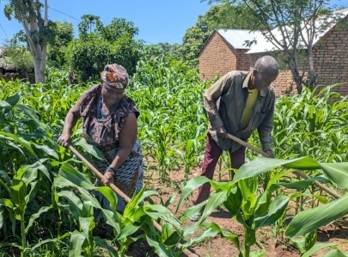
In Sukuma communities in Songwe, patriarchal norms limited women’s participation in household and community decisions, ownership of land and other assets, and control over agricultural income. Women carried most unpaid care work while having less access to agricultural knowledge and resources. These inequalities weakened food security, nutrition, livelihoods and women’s public participation, and contributed to domestic conflict and gender-based violence.
ADP Mbozi responded by working through respected male role models and traditional leaders who could demonstrate positive masculinity, shared responsibilities and non-violent, inclusive decision-making. Community dialogue and locally anchored accountability made gender equality practical and culturally credible rather than an externally imposed message.

The Tanzanian NGO Actions for Development Programs (ADP) – Mbozi was founded in 1986 and seeks to improve people's quality of life through food security and new income opportunities. The current project builds on the experience gained from previous phases in partnership with Welthaus Graz and the DKA since 2007 and with HORIZONT3000 since 2017.