
Young people in Beira and Dondo faced entrenched gender stereotypes that restricted occupational choices and self-expression. At the same time, environmental degradation, limited climate awareness and exposure to climate-related hazards threatened local livelihoods. Vocational education did not consistently provide opportunities to examine these interconnected issues or translate learning into community action.
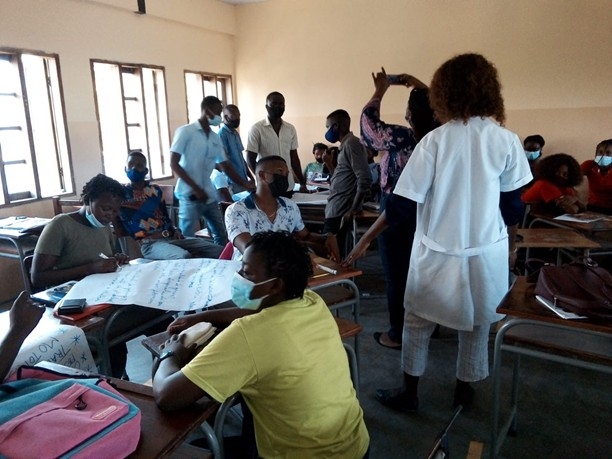
Young Africa responded by integrating gender equality and environmental sustainability into its Life Sciences curriculum. Participatory classroom dialogue was combined with practical environmental activities, enabling trainees to examine discriminatory attitudes while taking responsibility for their local environment.

YA's mission is to provide young people with basic technical vocational training and thus access to income-generating work. The target group are young people from disadvantaged socio-economic backgrounds. More than 1.000 students are trained every year.