We are delighted to announce the 9th edition of the Knowlympics, our yearly knowledge sharing games
with a special focus on Engaging Men and Boys in Gender Equality!
The Knowlympics serve as a vital tool within our Learning & Sharing activities, fostering the capturing of experiences and their exchange within our network. We believe that by sharing both successes and challenges, we can collectively deepen our understanding and inspire others.
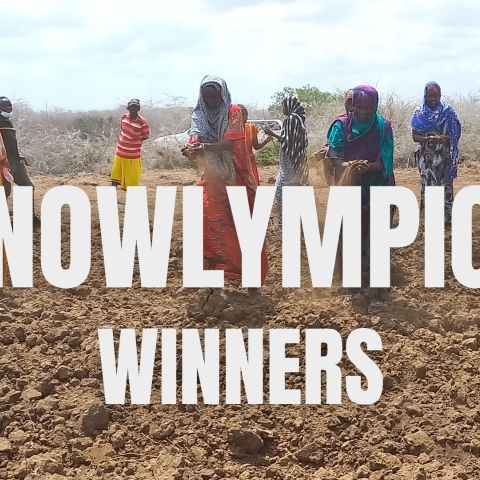
Click here to see the winners from the last edition.
Para ver o convite em português, clique aqui (pdf).
Pour l'appel en français, cliquez ici (pdf).
Para ver la convocatoria en español - To see the call in Spanish, haga clic aquí (pdf).
As usual the three first places will receive prizes between 750 and 1000 Euros.
Prizes can be used for learning & sharing purposes according to the needs of the winning organisations – e.g., an exchange visit to another organisation, training for your staff, or equipment.
Everybody can get something out of these knowledge sharing games, as all submitted experiences will be published on the horizont3000 website, uploaded to Knowledge Hub, and shared within our knowledge network.
Submission Deadline: August 28, 2026
We are collecting practical experiences, innovative practices and strategies, showing how engaging men and boys has helped remove barriers to gender equality and strengthened human rights. We welcome successes as well as ‘fail‑forward’ lessons related to this year’s theme. Any sector is welcome (e.g., SRHR, WASH, agriculture, climate action, education, organisational development, technology adoption, economics, peacebuilding, …).
Below are specific questions and issues you could take into consideration, while filling out the “Learning from Experience” questionnaire. Sharing your experiences in these areas could be immensely valuable for others.
Context and problem
Who and why
Convening and engagement
Issues and resistance
Impact – evidence of change
The ripple effect
YARD: training male champions to advocate for gender equality, mobilise for gender trainings, and minimise the persistence and impact of harmful ideologies like toxic masculinity
JOSSOAL: targeted curriculum to increase the involvement of young fathers or partners during pregnancy, primary education and postnatal maternal care
UWONET: involving men as allies to support women’s groups to navigate patriarchal systems, access markets, or secure inputs that might otherwise be difficult for women to acquire
LEMUSICA: designing sessions for men and boys to explore masculinity, responsibility, and respect, as well as dialogue sessions with traditional leaders
Like last year, winners will not be chosen completely at random, but on the basis of specific quality criteria. Submissions will be ranked based on clarity, compelling nature, and implementation, as well as potential for replicability and adaptability.
When selecting your experience, please consider the following criteria:
UN Women – Knowledge portal: Men and boys to end violence against women – Evidence and programming entry points for engaging men and boys to prevent violence against women, with practice notes and examples.
UNFPA – Engaging Men and Boys in Gender Equality and Health (global toolkit) – A toolkit covering SRHR, fatherhood, HIV, GBV prevention, advocacy and M&E for male engagement.
WHO – RESPECT Women: Preventing violence against women (2nd ed., 2025) – UN-endorsed framework detailing evidence-based prevention strategies, incl. norm change and relationship skills.
OECD – Social Institutions and Gender Index (SIGI) – Global dataset on discriminatory laws, social norms and practices underpinning gender inequality - useful for country context sections.
MenEngage Alliance – Large worldwide collective working to bring men and boys into the work of women's rights, LGBTQIA+ rights, and gender justice for all,
ICRW - Gender Equity & Male Engagement: It Only Works When Everyone Plays (2018) – Field synthesis and design guidance on accountable, effective male‑engagement programming.