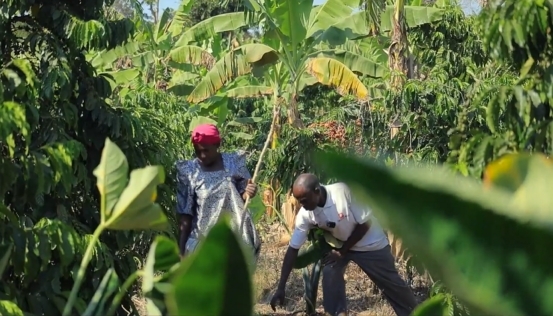
In Rakai and Kyotera districts, climate-related pressures, declining farm productivity and environmental degradation were deepening poverty and food insecurity. Unequal gender norms compounded these pressures: women carried most unpaid care work yet had limited access to land, income, productive resources and household decisions, while many men were not reached through formal groups. This reduced families’ ability to plan jointly, adopt resilient livelihoods and respond to shocks.
Caritas MADDO therefore combined facilitated reflection on gender norms with practical household visioning and planning. Men were deliberately engaged as partners so that women, men and youth could share responsibilities, manage resources more equitably and pursue climate-resilient livelihood goals together.