In Gulu, a bustling town in northern Uganda, roads narrow into winding dirt paths leading to schools and health centers tucked between fields. Here, the day begins and ends with the sun. Children keep their books open only as long as daylight allows. In dim classrooms, lessons stop where practice should begin, because some things cannot be taught without power. At nearby health centers, pregnant women wait, aware that something as small as a generator failing can bring services to a halt.
Most of these schools and health centers lie beyond the reach of the national electricity grid. Connecting to the grid is not always possible, and generators are rarely sustainable. Fuel is expensive, supply is unreliable, and maintenance quickly drains limited resources. As a result, many schools worked entirely around daylight.
Classes started when the sun rose and ended when it faded. Early morning learning was challenging because classrooms and compounds were still dark. Teachers and students approached the day cautiously, sometimes finding that nature had arrived before them. It was not unusual for a snake to be spotted in a classroom or along a path in the early hours.
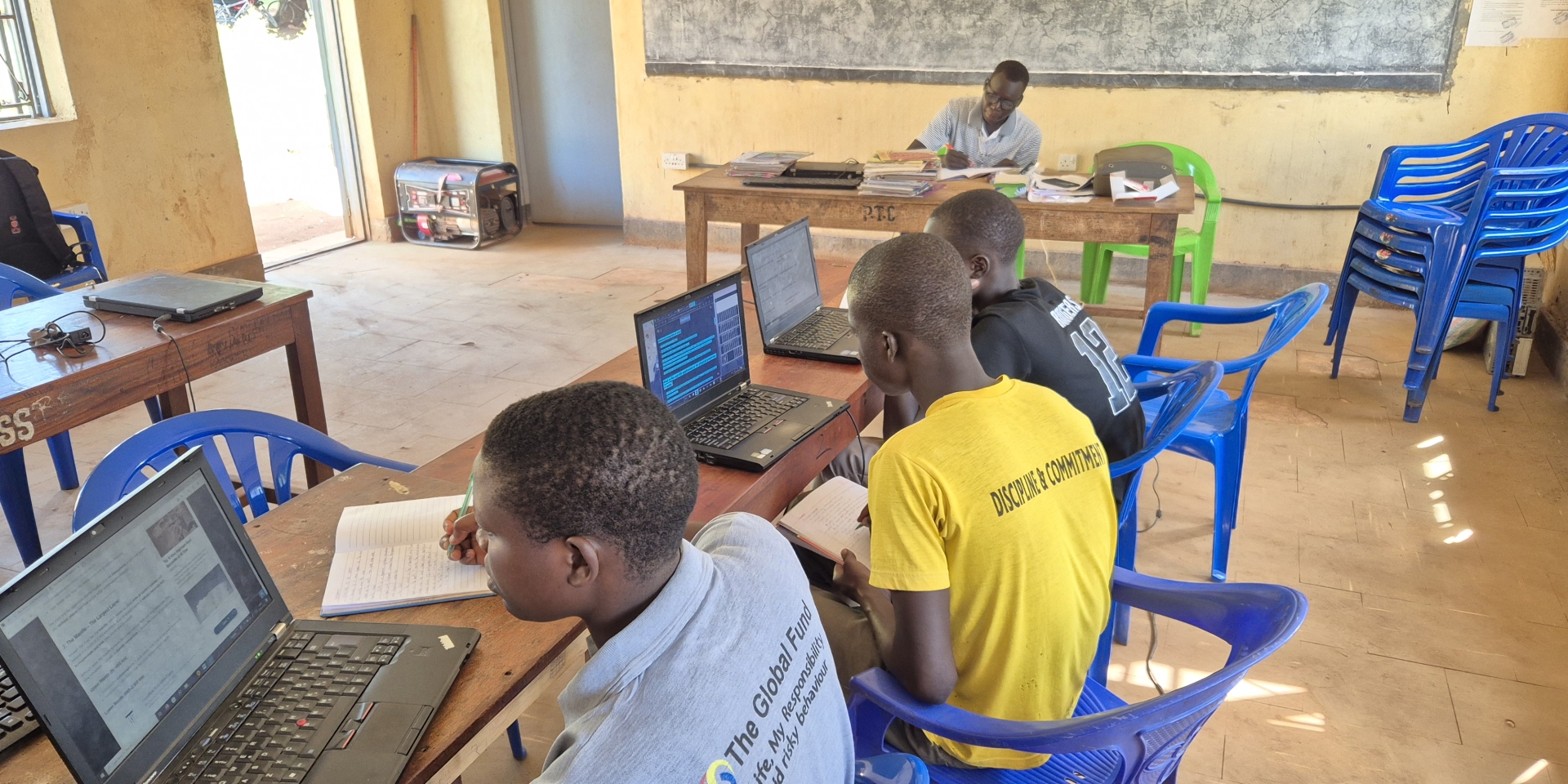
Electricity was missing from the walls and from the learning experience. Computer lessons were largely theoretical. Students could hear about technology but rarely interact with it. Solar power has changed that. Classrooms are now lit, and students begin their day in spaces that feel safer and more welcoming. Teachers have more flexibility in organizing learning time. Evening preparation and extra study sessions are now possible, no longer dependent on sunlight.
For many students, solar power has also meant their first hands-on interaction with computers. Lessons that existed only in textbooks now happen in practice. The difference between hearing about technology and using it is the difference between imagination and experience.
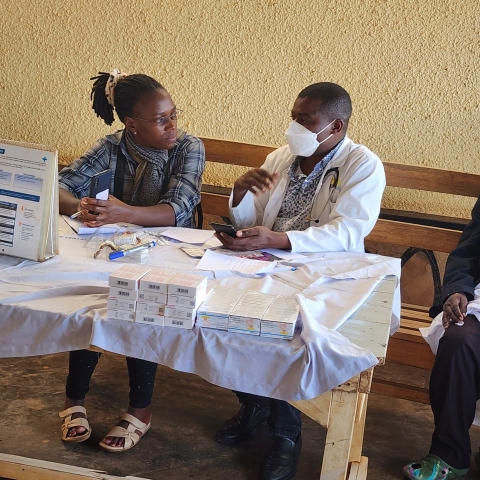
The transformation in health centers is equally significant. Before solar installation, healthcare workers managed services under difficult conditions. Examinations and treatments were limited by natural light. If a patient arrived late, options were reduced, and equipment requiring electricity could not be used consistently.
With solar power, these facilities now operate with greater reliability. Consultation rooms are properly lit, and basic medical equipment runs without interruption. Healthcare workers can provide services with more confidence and efficiency. For the more than 22.000 patients who depend on these centers, this means receiving care in environments that support safety and dignity.
What stood out most was the infrastructure, and the community response. When reliable electricity arrives in places that have long lived without it, people adapt quickly. Teachers explore new ways of delivering lessons. Health workers expand services. Students begin to imagine futures that include technology and innovation.
A solar panel on a rooftop may seem small, but in communities where electricity has always been uncertain, it represents something much bigger. It means classrooms that come alive earlier, clinics that serve patients with greater confidence, and students who no longer see computer lessons as a distant idea.
The visit to seven institutions revealed rooftops lined with solar panels doing their work under the sun. Behind them are thousands of daily moments that now look different: a student switching on a light before opening a book, a teacher introducing a computer lesson for the first time, a health worker treating a patient in a properly lit room. Expanding this impact means reaching more schools and health facilities still without reliable electricity.