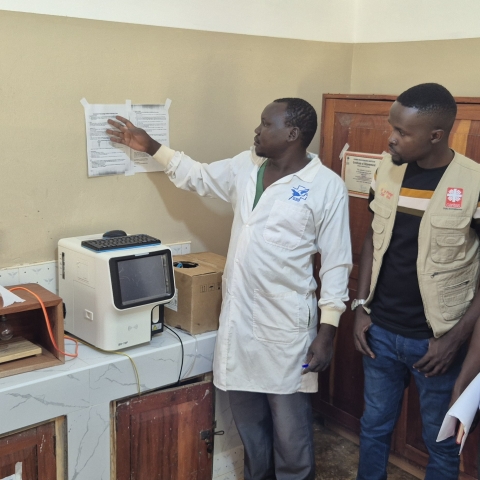
The morning sun rises over the fields of Omoro and Lamwo districts, spilling golden light across school compounds that have been waiting for this moment. At St. Teresa of Calcutta Secondary School, solar energy has transformed classrooms, dormitories, and the ICT laboratory. Students who once only read about technology in textbooks now work on computers, exploring ideas and gaining skills for the future. For many, it is the first time their hands touch a computer, their faces lit with curiosity and possibility. This year, 33 students registered for the national computer exam, compared to just eight last year, and younger students are showing increasing interest in technology.
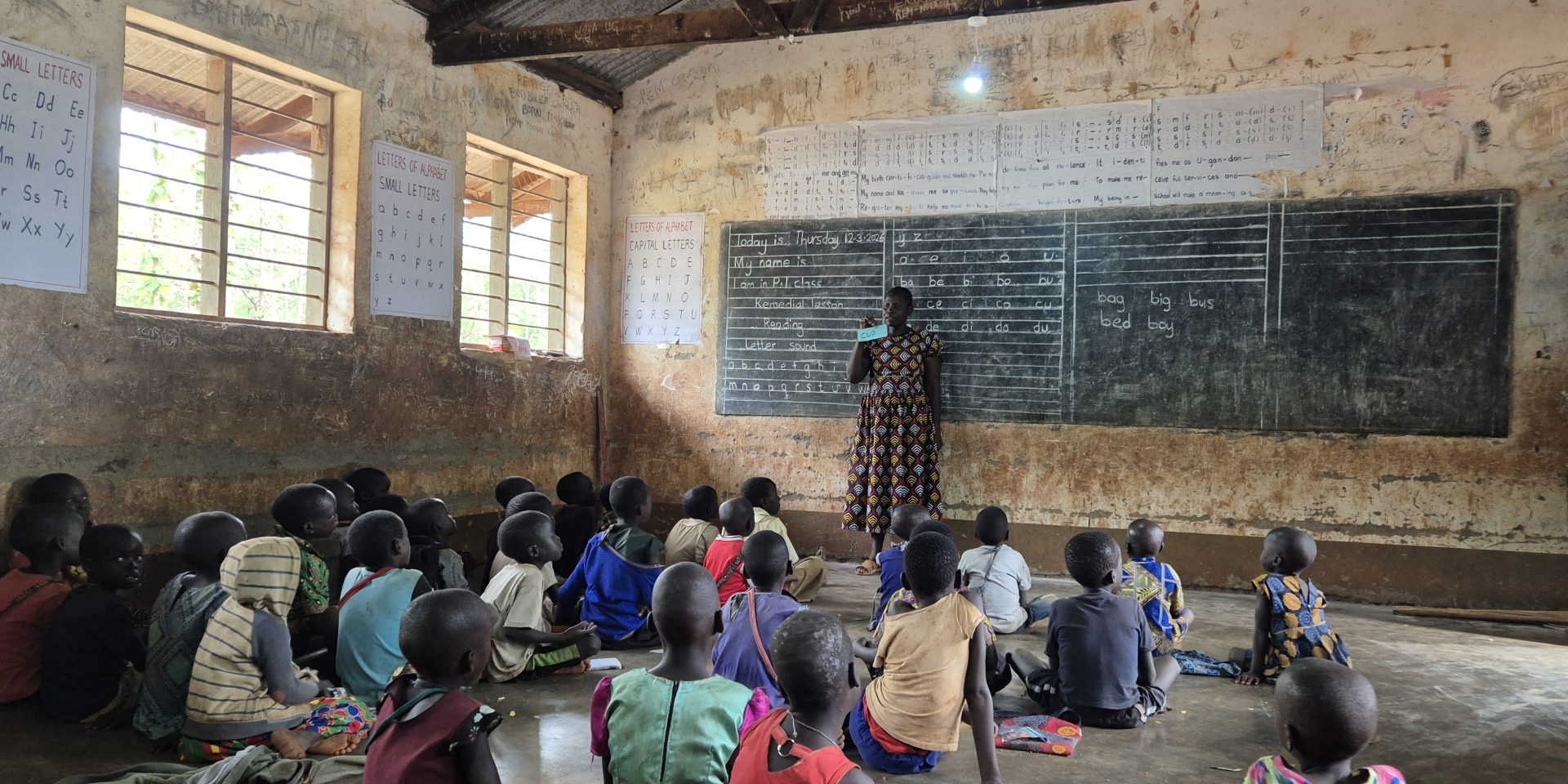
Lighting in classrooms and dormitories has extended learning hours. Early morning and evening study sessions now fill spaces with eager learners, and teachers can plan lessons without rushing against fading daylight. A science laboratory is under construction, and the school hopes to expand renewable energy solutions further, including solar-powered water systems, bringing both learning and life closer to sustainability.
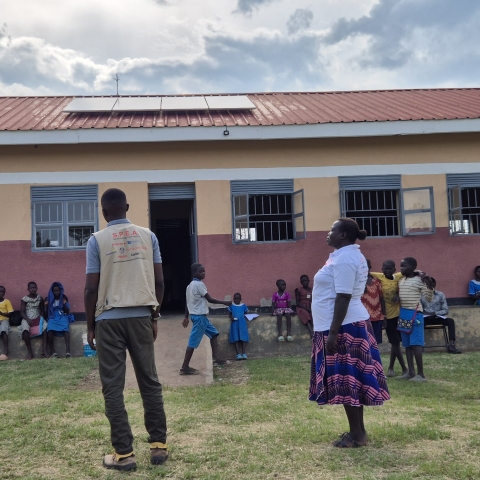
At St. Theresa Nursery and Primary School in Otumpili, solar panels light classrooms and the school compound, making early reporting possible and creating a safe environment. In the early hours, small groups of children now arrive before sunrise, quietly revising their notes under steady electric light. The number of Primary Leaving Examination candidates has grown from seven last year to twenty, and students are optimistic about their performance. Security lighting has reduced risks from snakes and theft, and the school has begun offering phone and power bank charging services at a small fee to support system maintenance costs while building stronger community ties.
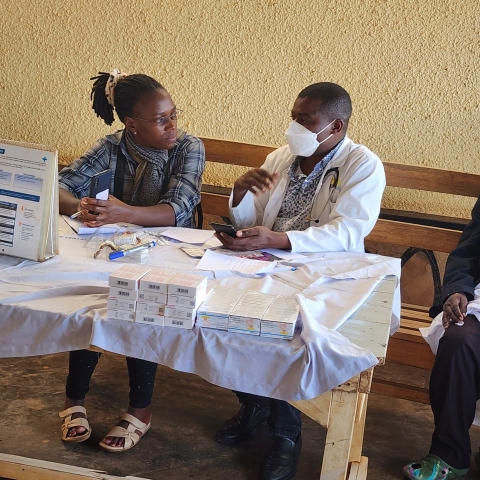
Padibe Girls Comprehensive School in Lamwo District has also seen a shift. Lessons now begin at 6:30 a.m. instead of 7:30 a.m., increasing teaching hours for candidate classes. Dormitories that were once dark are now softly lit at dawn, as students prepare for the day ahead with a new sense of routine and confidence. The solar installation has reduced electricity costs by 200,000 to 250,000 UGX per month and eliminated reliance on an old diesel generator. A school energy and maintenance committee trained by the SPEA project ensures the systems run smoothly.
These schools show how solar energy is transforming education: extending study hours, improving safety, and opening access to technology. Yet across the Archdiocese of Gulu, many schools still face the same challenges, and remain without reliable electricity, limiting opportunities for students to learn, innovate, and dream big.
A contribution of EUR 22,000 could equip another school with solar power, giving students the gift of light, extended learning, and a brighter future. Every euro helps classrooms shine longer, students dream bigger, and communities thrive.
Learn more how to support our new project "Solar-Powered Schools for Sustainable Futures" through dedicated funding packages