Date
29.09.2026
29.09.2026
"Safe Spaces Start Before the First Meeting"
Problem & Solution
In rural communities in Búzi and Chibabava, patriarchal norms restricted women’s mobility, control over income, access to services and participation in community activities. Gender-based violence was often silenced by fear, stigma, weak reporting mechanisms and limited psychosocial support. Working only with women risked leaving these barriers intact or exposing participants to resistance and retaliation.
ESMABAMA therefore first identified the men and institutions influencing women’s lives and engaged them according to their distinct roles, while safeguarding women’s agency. This preparatory work reduced barriers and created safer conditions for women-led support spaces and stronger community protection.
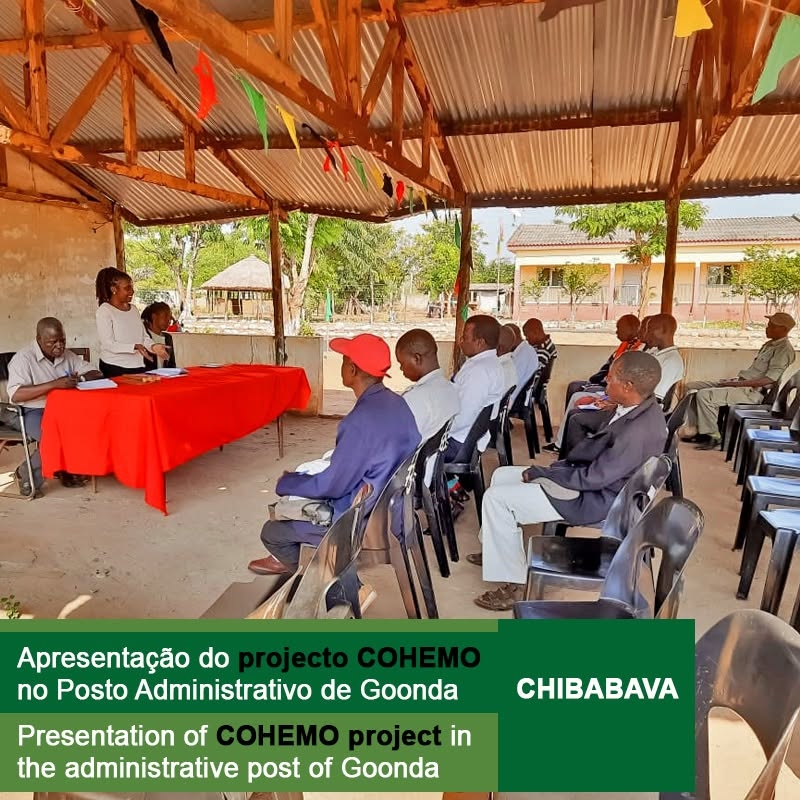
The Experience
- ESMABAMA began with a participatory gender analysis to identify who shaped women’s decisions and safety. It distinguished community and religious leaders, husbands, activists, young people, officials and service providers rather than treating men as one group.
- It then tailored engagement to each role. Leaders discussed social norms and publicly supported women’s protection; activists accompanied families and connected women with services; institutions clarified referral responsibilities. Gender-based violence was framed as a community responsibility, not a women-only issue.
- Participatory theatre and community radio reached men and boys who rarely attended formal sessions, creating space to examine masculinity, violence and accountability.
- Protection committees linked communities with health, police, prosecution and social services. Responsibilities were transferred to local actors, so protection did not depend solely on ESMABAMA.
- After risks and resistance had been addressed, women-led self-help and mindfulness groups were established. Women selected safe locations and times, childcare was provided, and participants elected facilitators to continue the groups.
Challenges
- Deeply rooted male control over women’s mobility, resources and participation, combined with the risk that engagement could reinforce gatekeepers’ authority.
- Fear, stigma and retaliation discouraging disclosure of GBV.
- Weak and poorly coordinated referral, psychosocial support and accountability structures.
- Reaching influential men outside formal activities while adapting approaches for different roles, literacy levels and accessibility needs.
Impact
- Greater confidence among participating women to recognise and respond to GBV alongside improved coping and psychosocial resilience.
- More visible male participation in prevention discussions and community action, reducing its framing as a women-only responsibility.
- Stronger coordination between community protection structures, health services, police, social services and prosecution.
- Women’s participation in support groups became more socially accepted.
Lessons Learned
- Map how each male group influences women’s lives before selecting methods; one standard approach is inadequate.
- Assess retaliation risks and prepare families, leaders and services before opening women’s groups.
- Engage male gatekeepers as accountable allies without making participation depend on their permission.
- Let women determine meeting arrangements and elect facilitators.
- Transfer referral, supervision and mobilisation roles to recognised local structures during implementation.

