Policy Dialogue


Goals

Our primary objectives

Knowledge

empowerment
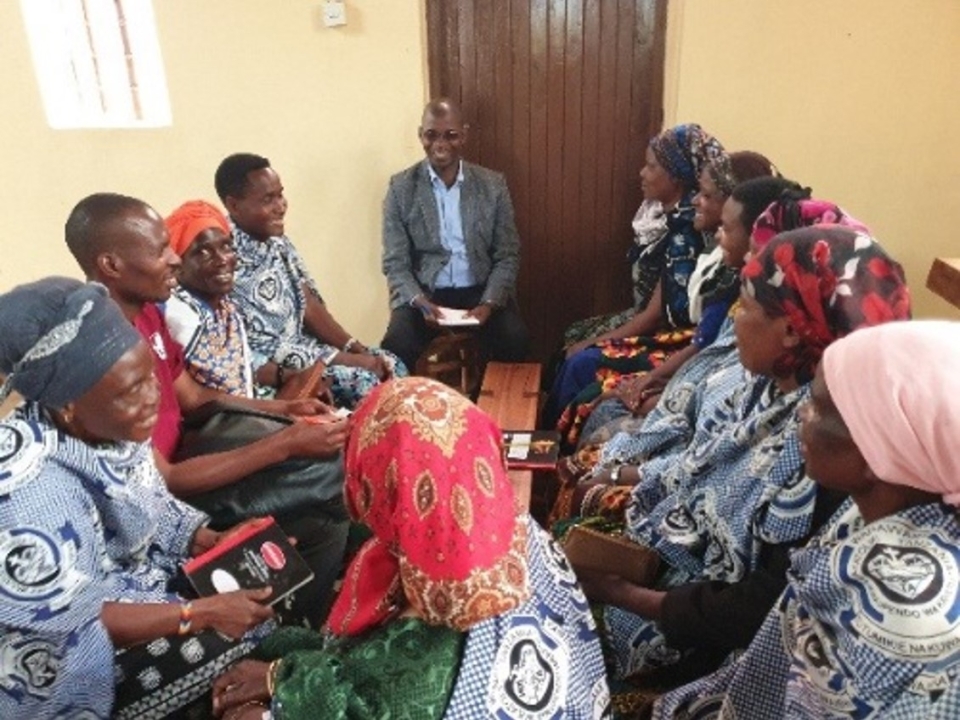
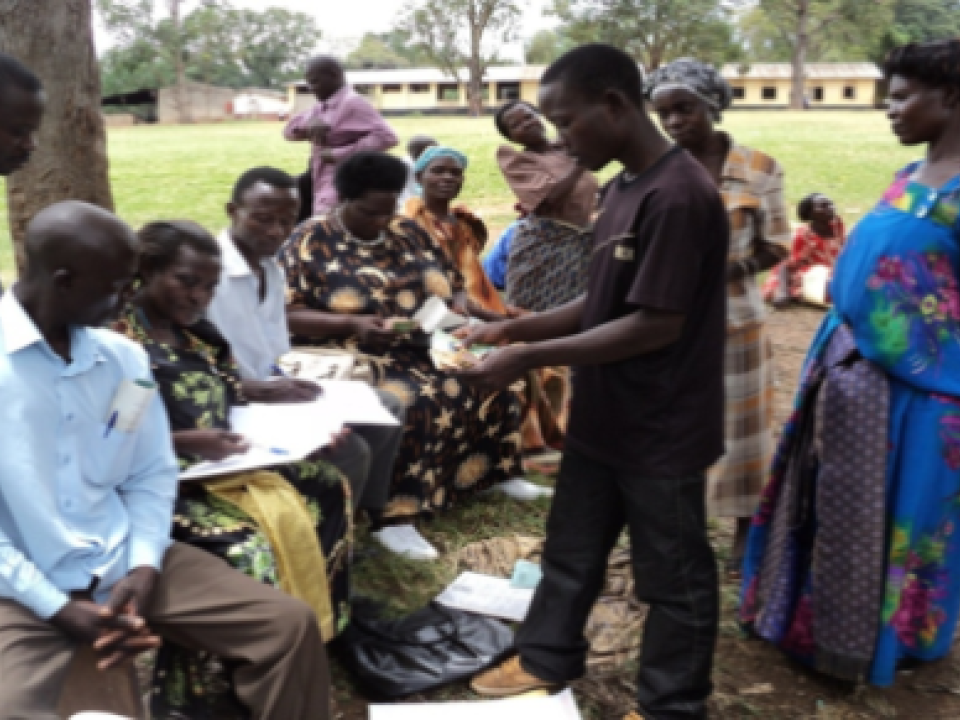
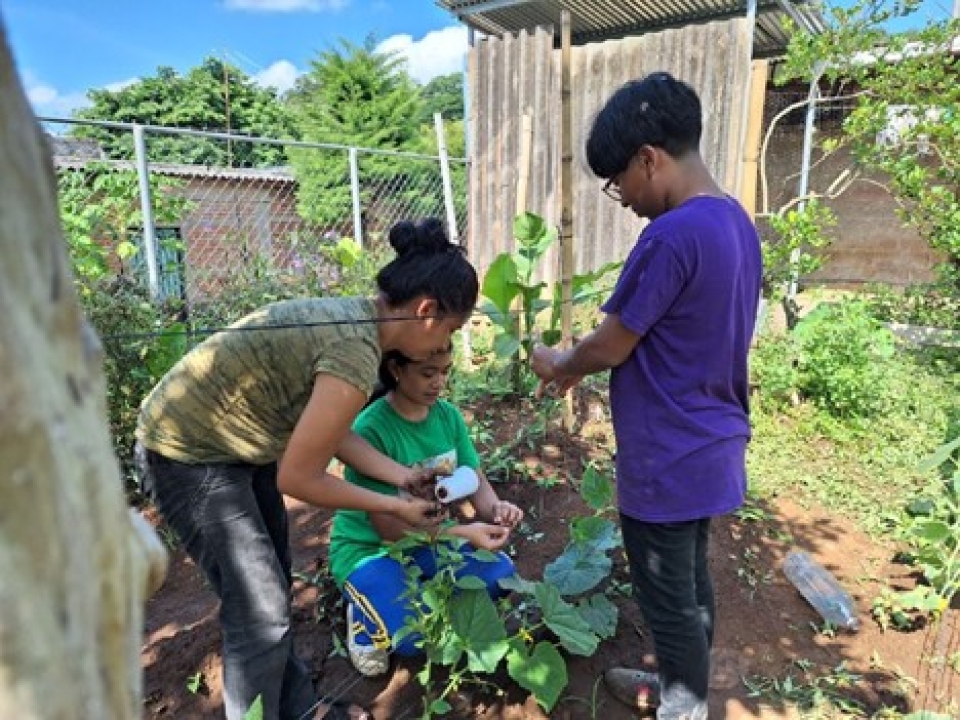
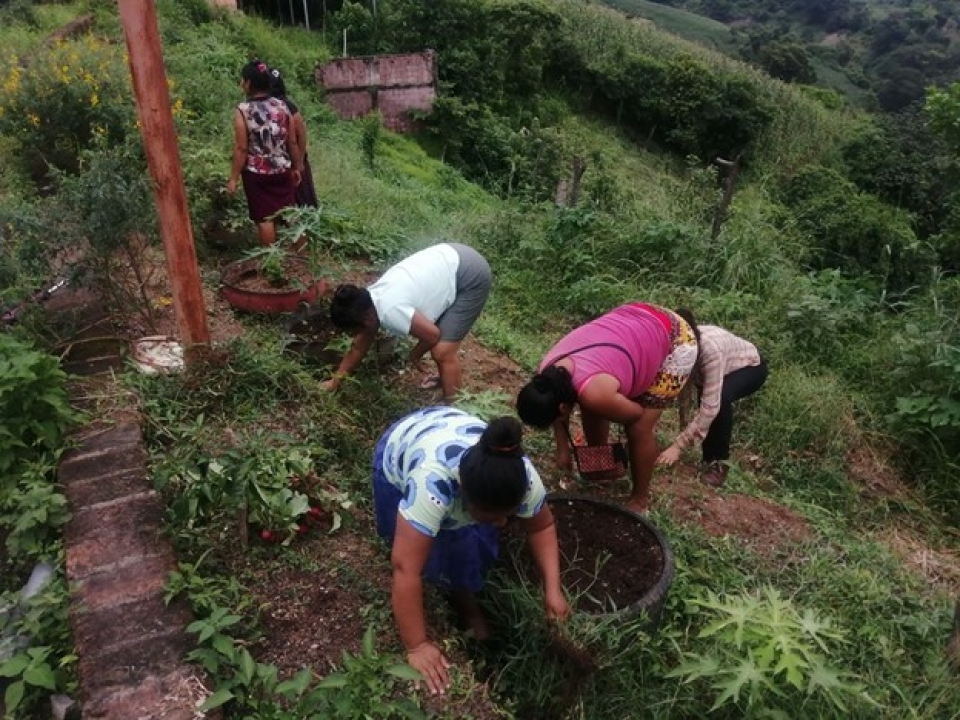
Together with our Partner Organisations we provide tools and training to facilitate political participation and social empowerment of people who have been marginalised. Our projects emphasise interactive and self-sustaining methods and approaches and we strive for policy dialogue to be mainstreamed/ institutionalised within the organisations.

Engagement

Participation
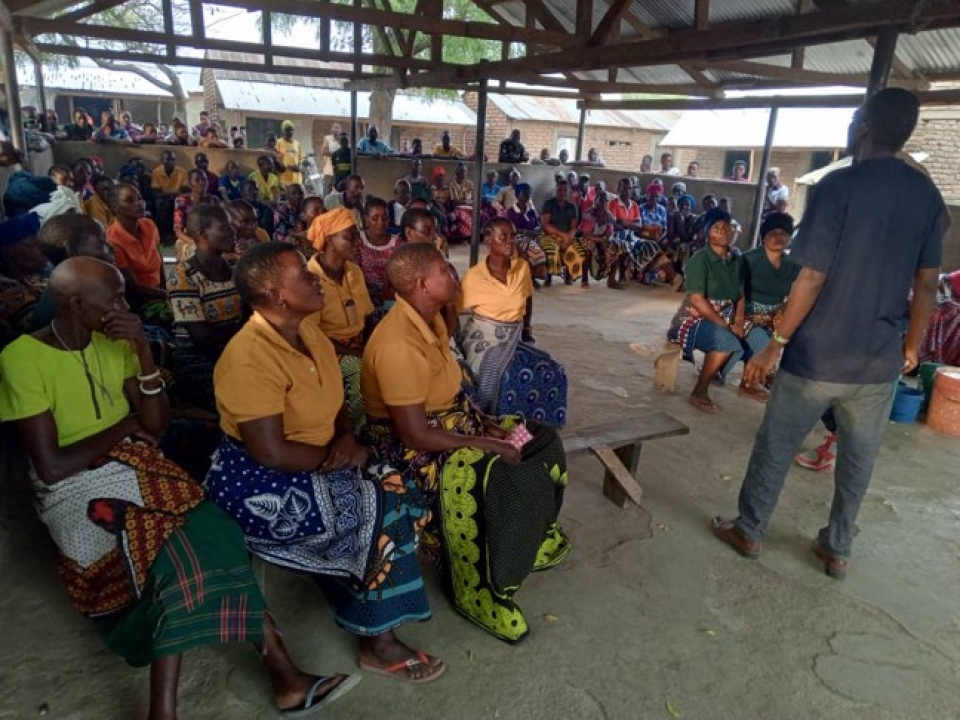
Through the engagement of CSOs and their communities in policy dialogue the voice of the most marginalised will be heard and social change for the benefit [of the most marginalised] will be effected.

Networks

equal access
The better organisations connect and collaborate, the louder their voices grow, and the more pressure is put on duty-bearers. To amplify our impact in this way, we have put an emphasis on networking, exchanging and are setting up a Community of Practice.

10 main lessons learnt

Lessons 1+2

.

A phased and long-term capacity development approach is effective. Gradual progression from foundational concepts to practice and institutionalisation strengthened policy dialogue competencies over time. The consortium project adopted a sequenced capacity-building process moving from foundational to advanced policy dialogue skills, which enabled partner CSOs to professionalise and institutionalise policy dialogue within their organisations. For instance, most partner CSOs evolved from project-based advocacy to structured organisation-wide policy dialogue integrated into strategies, planning, and governance.

.

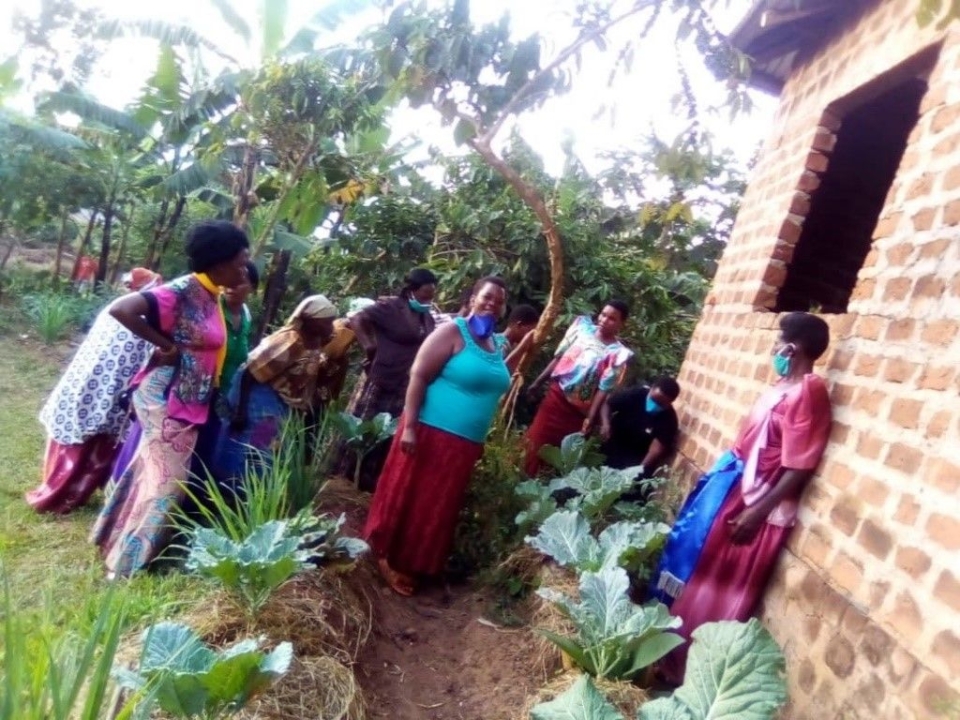
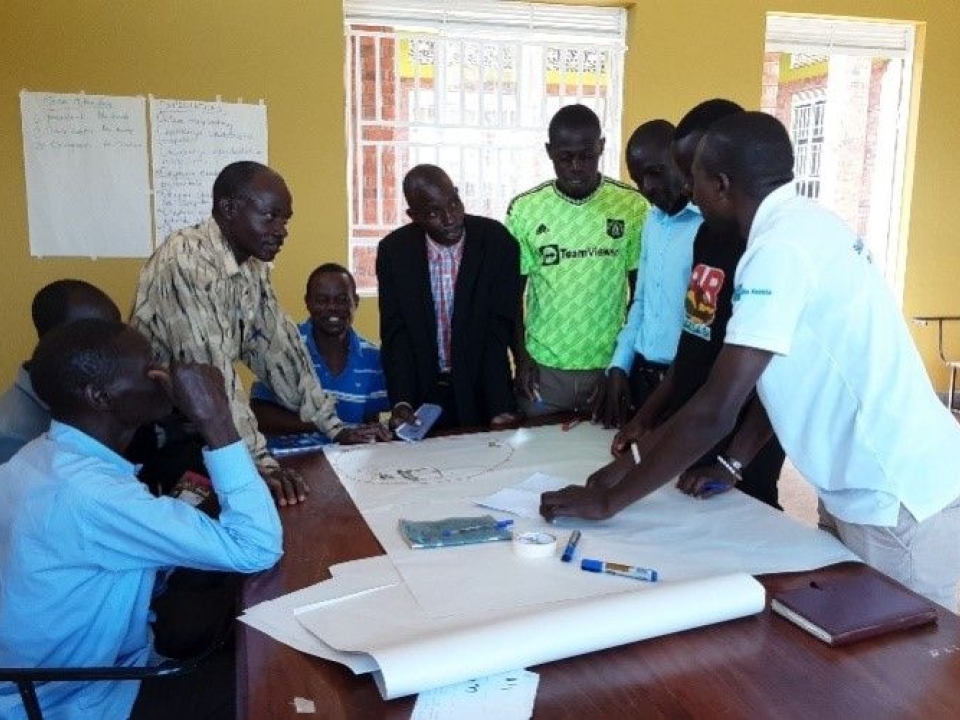
Capacity development is most impactful when theory is paired with real-world application. The use of Small Action Funds enabled organisations to translate training into concrete policy dialogue processes and outcomes. The combination of theoretical training with practical application via Small Action Funds was key to success, allowing CSOs to apply learned concepts in real policy dialogue interventions. For example, through SAFs, SOS CV Uganda and CARE Uganda supported grassroots groups to engage effectively on issues like child marriage and GBV, leading to concrete policy improvements such as bylaws and local action plans.

Lessons Learnt

Lessons 3+4

.

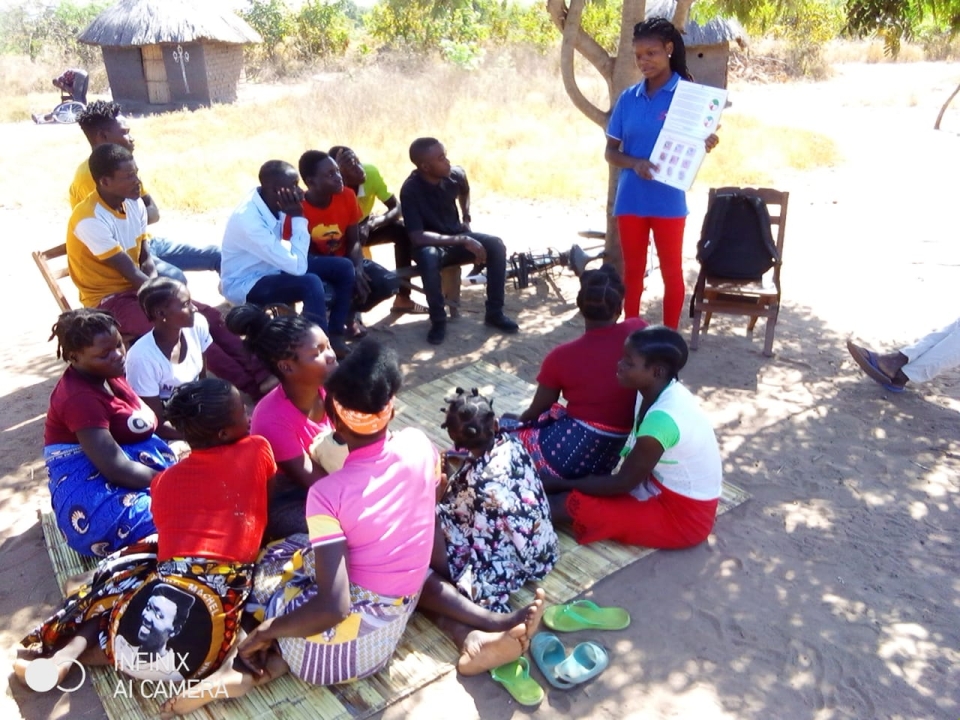
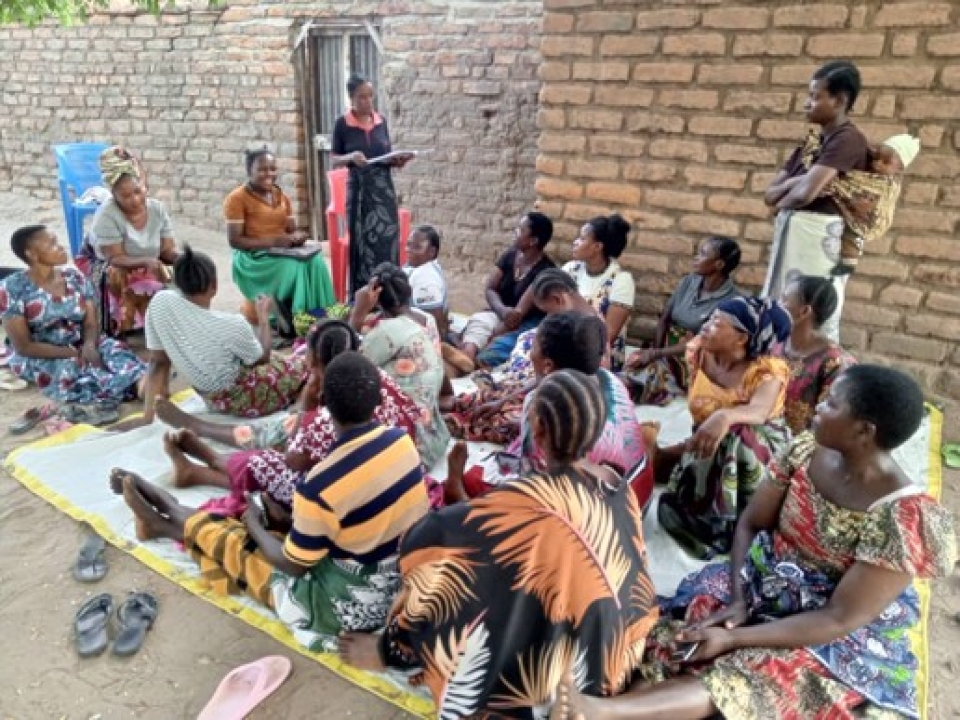
Cascading approaches extend policy dialogue capacity beyond lead CSOs. Partner organisations acted as hubs, transferring skills to local CSOs, community actors, and activists - broadening coalitions and deepening local ownership. Partner CSOs like SOS CV Uganda, CARE Uganda, and GROOTS Kenya cascaded policy dialogue skills to local organisations and community activists through training and mentoring, which led to increased community engagement. This multiplier effect enhanced collaboration among CSOs, communities, and governments.

.

Institutionalisation requires leadership commitment and organisational integration. Policy dialogue was sustained where it was embedded into strategies, plans, job roles, and governance structures, and supported by senior management and boards. Several CSOs developed policy dialogue strategies, designated focal persons, and established coordination mechanisms with strong senior management and board engagement. For example, SOS CV Uganda developed a policy dialogue strategy integrated into annual planning and budgeting, while CARE Uganda linked policy dialogue to a core working group with representation across programmes.

Lessons learnt

Lesson 5 + PDF download

.

Aligning policy dialogue with existing national policy frameworks increases relevance and uptake. When policy dialogue is linked to recognised national priorities and legal frameworks, it gains legitimacy, strengthens government ownership, and improves prospects for implementation. Linkages to national frameworks, such as Uganda’s National Action Plans on Women, Peace and Security and Kenya’s county-level climate policies, helped frame local priorities as contributions to national commitments. This approach facilitated political buy-in and important policy results, including new bylaws and county acts.

horizont3000 - NGO for Development Cooperation

NEW: Policy Dialogue e-Learning Course

Based on the Policy Dialogue Manual, we now offer a free, self-paced online moodle course designed to support Civil Society Organizations (CSOs) in their policy dialogue engagement

  • Learn the fundamentals of policy dialogue
  • Explore practical tools and case studies from East Africa
  • Reflect, evaluate, and earn a certificate
  • Ideal for individuals and teams alike

This e-learning course is based on over a decade of experience from the consortium project CSOs and Policy Dialogue in East Africa and was developed by Horizont3000 and its Austrian partners with support from the Austrian Development Cooperation.

horizont3000 - NGO for Development Cooperation

CSO's and Policy Dialogue Manual

A manual for Civil Society Organizations (CSOs) in East Africa for enhancing their capacities to engage in Policy Dialogue (2020)

focus

Our areas of work

Training and Coaching


  • Tailormade Training on policy dialogue and policy engagement
  • Small Action Funds for Implementing PD Activities

Strengthening Civil Society


  • Community of Practice for learning, exchange and growths (CoP charter)
  • Networking and exchange with actors on multiple levels
  • Mobilisation and securing of resources for organisations

Participants

Levels of participating

Organisations

Strong organisations with policy dialogue as an institutional value. We build robust networks and facilitate exchanges between both partners and other actors.

Societies

Policy dialogue and advocacy are powerful tool to effect social change, particularly for those parts of society, which have been marginalised. Thus, we foster advocacy skills, policy dialogue, and media engagement to advance good governance and rights-based legislation.
Experiences

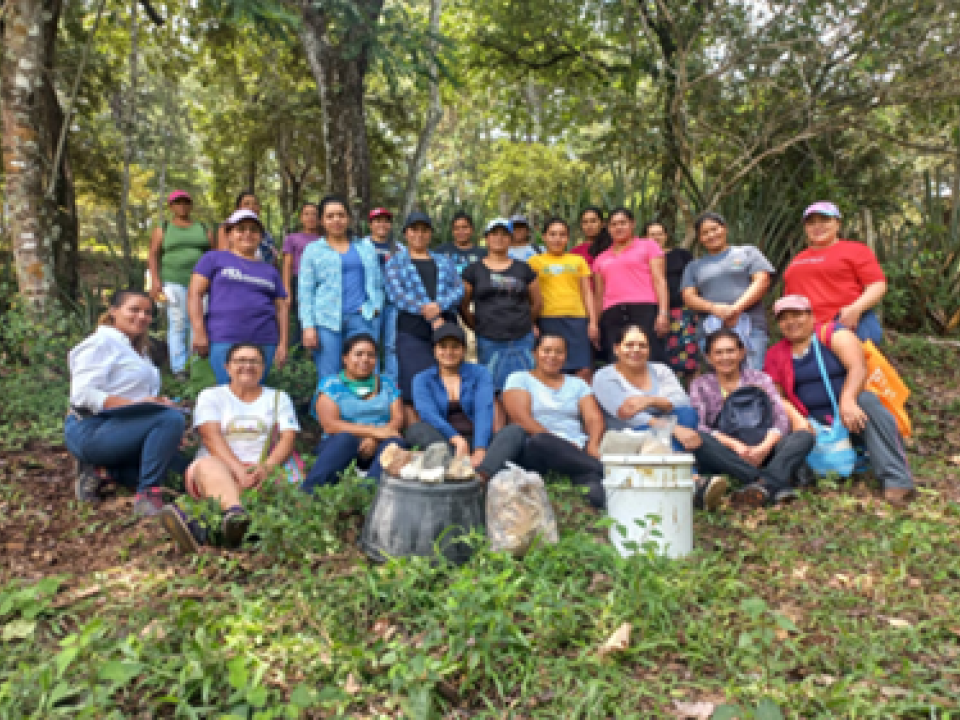
Learn from experiences. These projects contribute to policy dialogue.

Contact

Ulrike Bey

is the coordinator for Policy Dialogue projects at horizon3000. If you have any questions, please don’t hesitate to get in touch.

Your choice regarding cookies

This website required cookies in order to function. Technically required cookies stored locally do not collect any personal data. Further technically required cookies are stored by the providers of third party applications.

Additionally, non-essential cookies are collected for analytical purpuses.

You can find out more by visiting our cookie policy linked below.